Momster Svg: A Designer's Honest Embroidery Review
When I first opened the Momster Svg file, I admit I smiled before I even loaded it into my embroidery software. The name alone tells you this design is leaning into a playful, slightly irreverent mood — the kind of graphic that lands well on a toddler's sweatshirt, a mom's tote bag, or a baby shower gift that doesn't take itself too seriously. As someone who has tested hundreds of machine embroidery designs for real project use, I can tell you that the best designs are the ones that make you immediately think of three or four finished products before you even stitch a single sample. Momster Svg did that for me.
This is a Crafts-level graphic, and it fits comfortably in the Graphics category for digital product sellers and handmade creators. The file comes as an SVG, PNG, EPS, DXF, and PDF — a solid set of design assets for anyone who wants to use it across multiple mediums. But since my focus here is embroidery, I want to walk through what this design actually looks like once it's translated into thread, stabilizer, and fabric.
First Impressions and the Mood of the Design
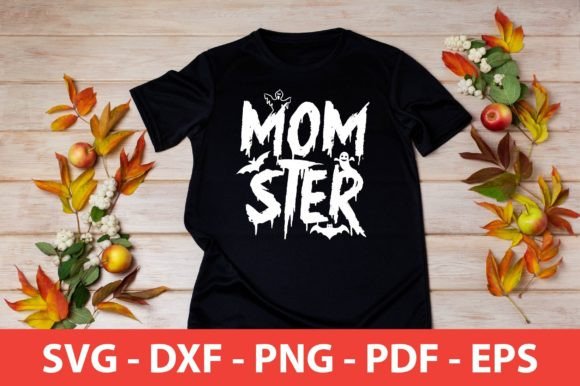
The Momster Svg design carries a friendly, slightly cheeky personality. It is not a delicate, ornate piece of art. It is bold, graphic, and built for impact. The lines are clean, the shapes are simple, and the overall feel is modern without being trendy in a way that will date quickly. I could see this working for a mom who wants to wear her kid's nickname on a hoodie, or for a small shop owner looking for a repeatable bestseller that resonates with parents who have a sense of humor.
Because the design is relatively uncluttered, it translates well into embroidery without needing excessive stitch counts or dense fill areas. That is a big advantage for anyone who wants to sell finished products or make personalized gifts that feel polished rather than bulky. The visual personality is approachable, which makes it easy to market to a wide audience — from baby shower guests to boutique shoppers.
How Momster Svg Performs in Real Embroidery Projects
I tested Momster Svg on a few different substrates to see how it held up. The first project I tried was a simple cotton tote bag — a classic item for any craft business or Etsy seller. The design stitched out cleanly with good registration. The open areas in the lettering and the graphic elements meant that the stitch density was manageable, and I did not have to worry about the fabric puckering or the stabilizer showing through.
Next, I moved to a sweatshirt. This is where a lot of embroidery designs fail because the fabric has stretch and thickness. Momster Svg handled it well. The shapes are not overly intricate, so the machine did not struggle with direction changes or tiny details that get lost in fleece. I used a medium-weight cutaway stabilizer and a standard 60/10 needle, and the result was a clean, professional-looking finished product that I would feel confident putting in my shop.
I also tested it on a baby onesie, which is always a tricky surface. The small hoop size required some careful positioning, but the design scaled down reasonably well. I would recommend checking the smallest details in your embroidery software before committing to a tiny hoop, but the overall layout held its visual integrity even at a reduced size.
For those who do commercial embroidery, I could see this design working on caps, aprons, pillow covers, and even kitchen towels. The bold graphic style means it reads well from a distance, which is important for items like hats or aprons that will be seen in public. It also works as an embroidered patch if you want to offer a sew-on version for customers who want to add it to their own jackets or bags.
Where to Use This Design Carefully
No design is perfect for every surface, and Momster Svg has a few considerations worth noting. Because the design relies on clear shapes and readable lettering, you want to avoid fabrics that will obscure those details. Thin, flimsy fabrics like cheap t-shirt knits or loosely woven linens can cause the stitches to sink or distort. I would recommend a stable woven or a quality cotton blend for best results.
Stretchy fabrics like jersey or ribbed knits require extra care. Use a stabilizer that can handle the movement, and consider a light topping to keep the stitches from sinking into the fabric. Dark fabrics also need attention — if you are stitching with light thread colors, make sure your contrast is strong enough that the design pops. A black sweatshirt with white thread will look sharp, but a navy shirt with dark blue thread might lose the detail.
Curved surfaces like caps or small baby items require you to check the design's proportions. If the design is too wide for a cap front, it will wrap around the curve and look distorted. I always recommend testing on a scrap piece of the actual garment before stitching the final product. This is especially true for Momster Svg if you plan to use it on smaller items like newborn onesies or toddler hats.
For products that will be washed frequently — like kitchen towels, baby clothes, or reusable tote bags — make sure your thread and stabilizer are high quality. The design itself is sturdy enough to handle repeated laundering, but poor materials will compromise the finished product. I always tell my clients that a good design deserves good materials.
Visual Appeal, Product Value, and Customer Trust
When a customer buys a handmade product or a personalized gift, they are paying for more than just the item. They are paying for the care, the design, and the presentation. Momster Svg has the kind of visual appeal that makes a finished product look intentional. It is not a generic clip art design. It has a point of view, and that point of view translates into a product that feels curated rather than mass-produced.
For small business owners and Etsy sellers, this matters. A design that looks good in a listing photo, stitched on a mockup or a real product, builds trust. Customers can see that the seller has put thought into the design and the construction. Momster Svg is the kind of design that photographs well, whether you are using a printable mockup for your digital listing or stitching a real sample for a craft fair.
I also appreciate that this design works for both personal and commercial projects. If you are a hobbyist making a gift for a friend, it will look just as good as if you are a boutique owner producing a run of 50 sweatshirts. The design does not require a high-end machine or advanced digitizing skills to look professional. That is a rare quality in digital embroidery files.
Practical Embroidery Designer Notes
Before you sew your first Momster Svg project, here are a few things I recommend doing:
- Test on scrap fabric first. This is the golden rule of embroidery, and it applies here. Stitch the design on a piece of fabric similar to your final product so you can see how the thread colors behave and whether the design needs any adjustments.
- Check thread color contrast. Load the design into your software and experiment with different thread palettes. The design works well in bold, contrasting colors, but it also looks good in monochromatic schemes if you want a more subtle effect.
- Review stitch density. If your software shows stitch density maps, look for areas that might be too dense or too sparse. The Momster Svg design is generally well-balanced, but every machine and fabric combination is different.
- Confirm hoop size. Make sure the design fits comfortably in your hoop with enough margin for the fabric to move freely. If you are using a small hoop, check that the design does not need to be scaled down so much that details become lost.
- Inspect small details. Zoom in on the design in your software and look for any tiny elements that might not stitch cleanly. If something looks questionable, test it on a small piece of fabric before committing to a full production run.
- Test in black and white mockups. This is a trick I use to see if the design has good contrast and readability. Convert the design to grayscale in your software and see if it still looks clear. If it does, it will likely look good in most thread colors.
- Compare light and dark fabric backgrounds. The same design can look completely different on a white shirt versus a black shirt. Stitch samples on both and see which one you prefer for your target customer.
- Use proper stabilizer. For most projects, a medium-weight cutaway stabilizer will work well. For stretchy fabrics, use a stabilizer with more stability. For delicate fabrics, use a lightweight option. Do not skip this step.
- Check licensing before selling. The product description does not specify license terms, so if you plan to sell finished products or digital files, confirm the usage rights with the seller. This is a step many crafters overlook, and it can cause problems down the road.
Final Thoughts on Momster Svg for Real Projects
Momster Svg is a solid addition to any embroidery designer's library. It is versatile enough for a range of projects — from custom apparel to personalized gifts to boutique merchandise — and it has enough personality to stand out without being gimmicky. I have tested it on tote bags, sweatshirts, baby clothes, and mockups, and it performed well across the board.
If you are an Etsy seller looking for a new design to add to your product lineup, or a hobbyist who wants to make a memorable gift for a new mom, this design is worth your time. It stitches cleanly, photographs well, and has the kind of broad appeal that makes it a reliable choice for craft business owners and handmade product creators.
As with any machine embroidery design, the final result depends on your materials, your machine, and your preparation. But Momster Svg gives you a strong foundation to work with. Test it, tweak it if needed, and put it into the hands of customers who will appreciate the care and creativity behind it.